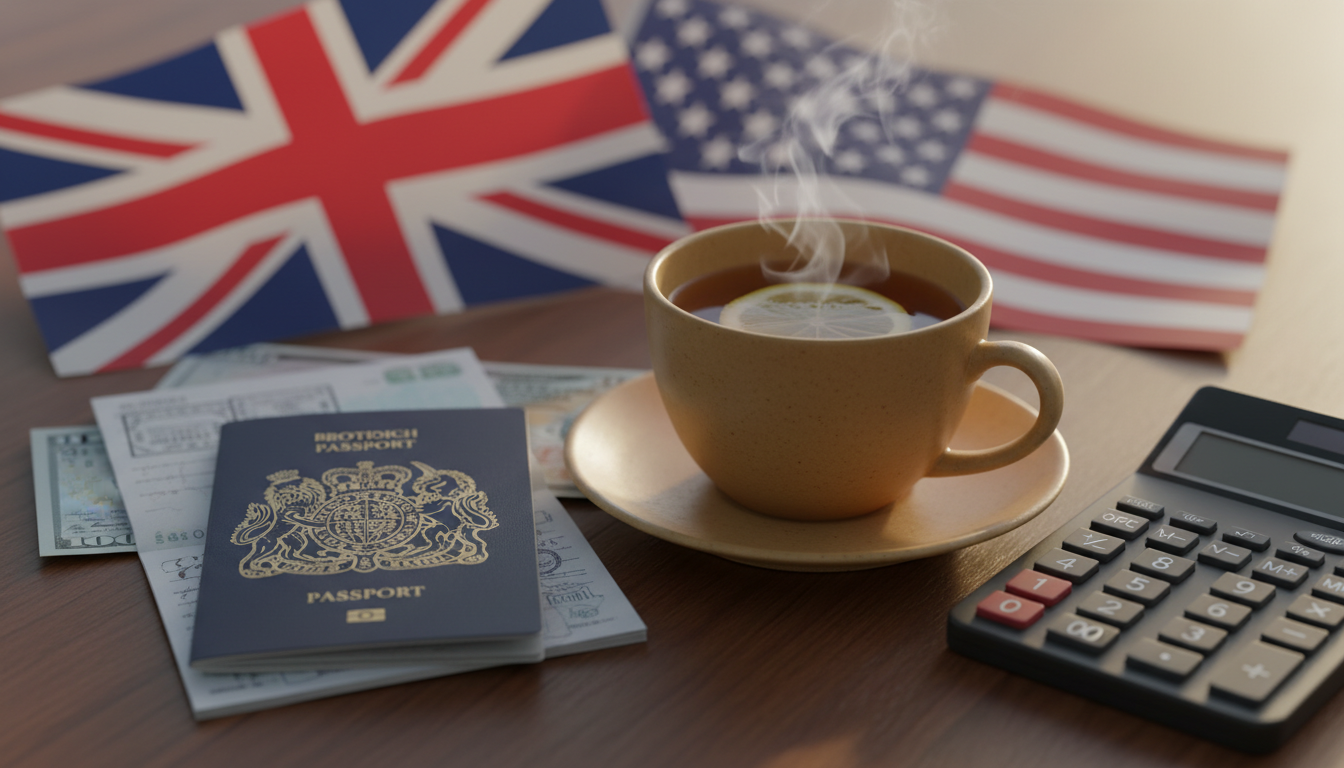
So, you’ve swapped the land of the free for the land of… constant drizzle and amazing pubs. Moving from the US to the UK is an adventure, but let’s be real: the paperwork can be a total nightmare. Specifically, the realization that Uncle Sam doesn’t let go just because you’re crossing the Atlantic.
Yes, we’re talking about Double Taxation. It sounds scary, like you’re paying twice for the same burger, but with the right strategy, it’s mostly just a giant game of ‘accountant tag.’
The ‘Citizenship-Based’ Headache
The US is one of the few countries that taxes you based on your citizenship, not just where you live. This means if you’re a US citizen or green card holder living in London, Manchester, or a tiny village in the Cotswolds, the IRS still expects a yearly update on your global income. Meanwhile, the UK’s HMRC (His Majesty’s Revenue and Customs) also wants their cut because you’re living on their turf.

Your Two Secret Weapons
Thankfully, you aren’t actually meant to pay full tax to both countries. There are two main tools to stop the bleeding:
1. Foreign Earned Income Exclusion (FEIE): This allows you to exclude a certain amount of your foreign earnings from US taxation (around $120,000 as of 2023/2024). It’s great if you’re in a lower-tax country, but since UK taxes are often higher than US taxes, this might not be your best bet.
2. Foreign Tax Credit (FTC): This is usually the MVP for US expats in the UK. Because UK tax rates are generally higher, you can claim the taxes you paid to HMRC as a credit against your US tax bill. Often, this wipes out your US liability entirely.
The US-UK Tax Treaty: The Holy Grail
There is a magical document called the US-UK Tax Treaty. It’s long, boring, and written in legalese, but it’s your best friend. It decides which country gets first dibs on taxing different types of income, like dividends, interest, and royalties. It also prevents you from being taxed twice on your social security or pension.
Speaking of pensions, be careful! The way the US treats a UK ‘ISA’ (Individual Savings Account) or a ‘SIPP’ (Self-Invested Personal Pension) can be tricky. Don’t just assume they are tax-free on both sides.
Don’t Forget FBAR and FATCA
Even if you owe $0 in taxes, the IRS still wants to know about your bank accounts. If you have more than $10,000 in foreign accounts at any point during the year, you have to file an FBAR (FinCEN Form 114). Forget this, and the penalties can be absolutely brutal—we’re talking ‘sell-your-car’ levels of expensive.
The Bottom Line
Living as an expat is about exploring new cultures, not drowning in spreadsheets. While you can DIY your taxes, the interaction between the IRS and HMRC is complex. My best advice? Find a specialist accountant who understands both sides of the pond. It’ll cost you some quid up front, but it’ll save you thousands of dollars (and a lot of gray hair) in the long run.
Cheers to living the dream—and keeping the taxman happy!
