Crack the Code: Your No-Nonsense Guide to UK Business Visa Requirements in 2024

So, you’ve got big plans for the UK, huh? Maybe you’re heading to London for a high-stakes board meeting, looking to scout a new office location in Manchester, or perhaps you’re planning to speak at a massive tech conference in Birmingham. Whatever the case, there’s one tiny, slightly annoying thing standing between you and that English breakfast: the UK Business Visa.
Now, don’t panic. I know ‘visa requirements’ sounds like a recipe for a headache, but it’s actually not that scary once you break it down. Think of it like putting together IKEA furniture—frustrating if you wing it, but totally doable if you follow the manual. Let’s dive into everything you need to know about getting your paperwork in order without losing your mind.
The ‘What’s What’ of UK Business Visas
First things first, most people visiting the UK for business will fall under the Standard Visitor Visa. The UK government actually lumped several old visa types (tourist, business, and study) into this one ‘mega-visa.’ This is great news because it means you don’t have to navigate ten different categories.
If you’re coming from a country like the USA, Canada, or Australia, you might not even need a visa for short trips (under 6 months). But for many others, applying in advance is a must.

What Can You Actually Do on a Business Visa?
This is where things get a bit cheeky. The UK is pretty strict about the difference between ‘doing business’ and ‘working.’ On a Standard Visitor Visa, you can:
- Attend meetings, conferences, or seminars.
- Negotiate and sign deals or contracts.
- Site visits and inspections.
- Speak at a one-off conference (as long as it’s not a commercial venture for you).
- Represent a foreign company for certain tasks like troubleshooting or installations (if you’re an engineer/technician).
- Step 1: Fill the Form. Be honest. If you’ve been rejected for a visa before, tell them. They will find out, and lying is the fastest way to get a 10-year ban.
- Step 2: Pay the Fee. A standard 6-month visa usually costs around £115. If you’re a frequent flyer, you can apply for 2, 5, or 10-year long-term visitor visas, but they cost significantly more.
- Step 3: The Biometrics Appointment. You’ll have to go to a visa application center (VFS Global or TLScontact) to get your fingerprints and photo taken. It’s quick, but the security is tighter than a nightclub at 1 AM.
- Step 4: The Wait. Generally, you’ll get an answer in about 3 weeks. If you’re in a rush, you can pay for ‘Priority’ or ‘Super Priority’ services to get it in a few days, but it’ll cost you a pretty penny.
- The ‘Large Deposit’ Trap: If you suddenly drop $10,000 into your bank account right before applying, the visa officer will think it’s ‘borrowed’ money just to look rich. If you have a sudden influx of cash, explain where it came from.
- Vague Business Activities: Don’t just say ‘Business.’ Say ‘Attending the annual Q3 strategy meeting at the XYZ Headquarters in Reading.’ Specificity is your best friend.
- Forgeting the ‘Home Ties’: You need to prove you have a reason to leave the UK. A mortgage, a family, or a stable job back home are all great ways to show you aren’t planning to disappear into the Scottish Highlands.
What you CAN’T do is take up a job at a UK company, get paid by a UK source for your work, or do ‘productive work’ for long periods. If you’re planning to move there and actually get a salary from a British boss, you’re looking at a Skilled Worker Visa, which is a whole different beast.
The ‘Golden Checklist’ of Requirements
Alright, let’s get into the nitty-gritty. To convince the Home Office you’re a legit business traveler and not someone trying to sneak in to live in a Camden flat forever, you’ll need these documents:
1. A Valid Passport: Obviously. Make sure it has at least one blank page and doesn’t expire the day after you arrive.
2. Proof of Financial Support: They want to see that you can pay for your flights, hotels, and those expensive £7 pints in London. Bank statements from the last 3-6 months are usually the go-to here.
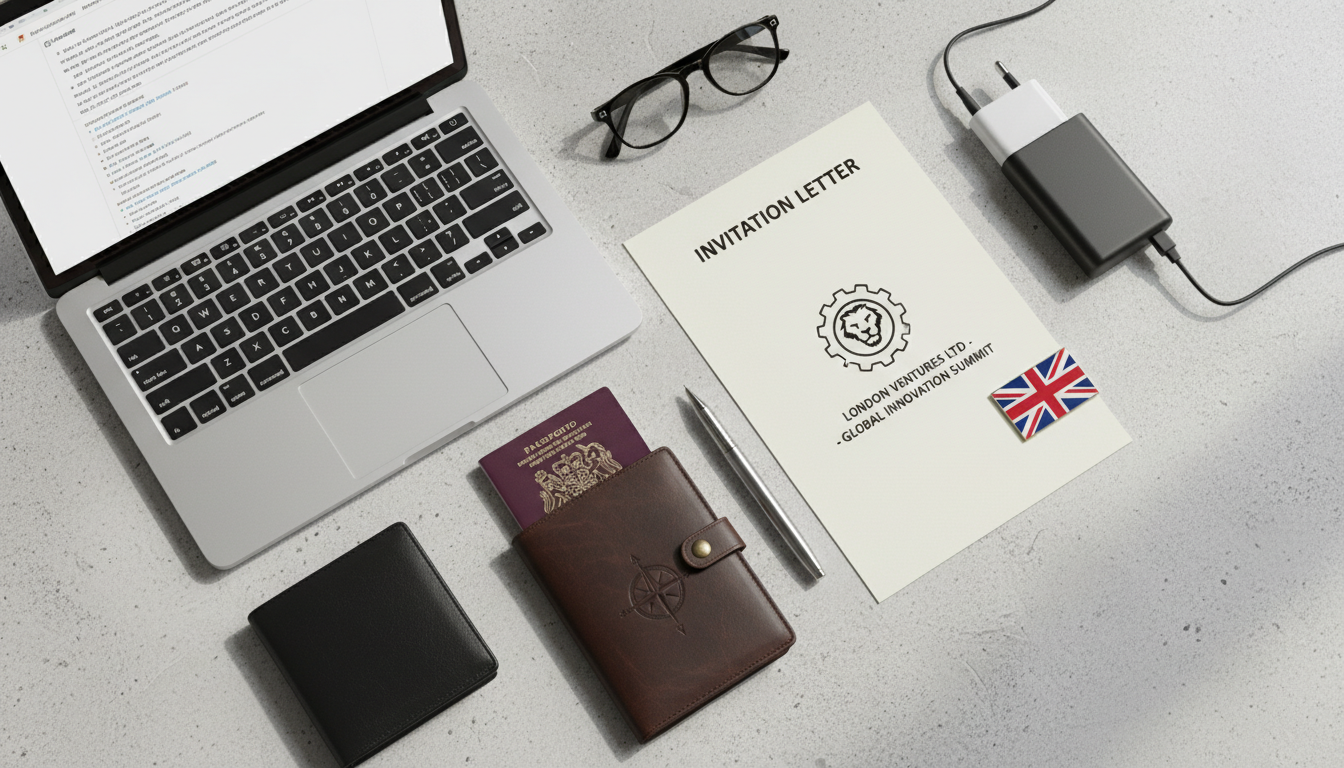
3. The ‘Why’ (Invitation Letter): This is crucial. If you’re visiting a company, get them to write a formal letter on their letterhead explaining why they need you there, what you’ll be doing, and who’s paying for the trip.
4. Proof of Employment: A letter from your boss back home saying, ‘Yes, they work for us, and yes, we expect them back on Monday’ goes a long way.
5. Travel Itinerary: You don’t need to have every minute planned, but show them you have a flight out and a place to stay.
The Application Process: Step-by-Step
You usually apply online. It’s a bit of a long form, so grab a coffee (or a tea, to get in the mood).
Common Pitfalls to Avoid
I’ve seen plenty of people get their visas denied for the silliest reasons. Don’t be one of them!

Wrapping It Up
Getting a UK Business Visa is basically just a game of ‘Prove It.’ Prove you have a legitimate reason to be there, prove you have the money to support yourself, and prove you’re going home when you’re done.
Once that sticker is in your passport, the hard part is over. You can focus on the real challenges—like figuring out which way to look when crossing the street and deciding whether ‘mushy peas’ are actually edible (spoiler: they’re an acquired taste).
Safe travels, and go crush those business goals! The UK is waiting for you.
Disclaimer: Immigration rules change faster than the British weather. Always double-check the official GOV.UK website before you hit submit!